
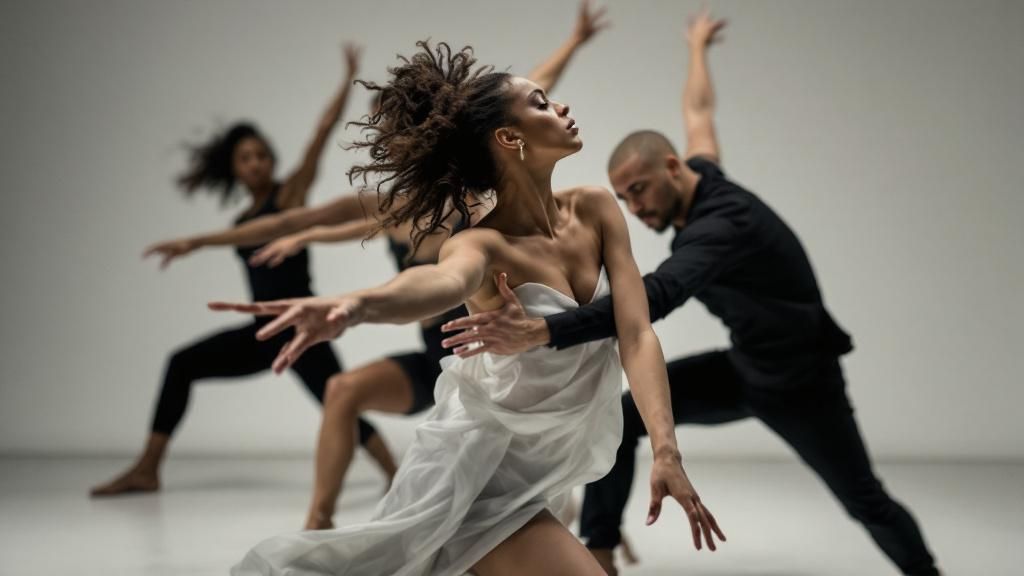
In a notable boost for the contemporary dance landscape, Arts Council England has provided considerable funding to pioneering dance companies challenging traditional boundaries through cross-cultural fusion and collaboration. These creative companies are reimagining movement by fusing varied cultural traditions, pushing against traditional approaches, and fostering meaningful dialogue between cultures. This article investigates how these pioneering groups are transforming the British dance scene, the creative endeavours their funding makes possible, and why such creative partnerships matter in our increasingly connected global landscape.
Promoting Creative Excellence in Contemporary Dance
Arts Council England’s commitment to funding forward-thinking dance companies reflects a broader recognition of modern dance’s crucial importance in cultural expression and public participation. By supporting companies that emphasise fusion and cross-cultural collaboration, the council enables artists who question established norms and develop groundbreaking work. This targeted investment enables performers and choreographers to take creative risks, create new artistic languages, and stage productions that appeal to diverse audiences across the United Kingdom.
The financial framework for contemporary dance has developed significantly, with increased emphasis on supporting projects that display artistic merit alongside social impact. Dance companies funded by Arts Council England are obliged to evidence innovation, accessibility, and commitment to nurturing new artists. These funds not only support individual companies but also reinforce the wider landscape of UK modern dance, making certain that venues, audiences, and creative practitioners keep flourishing and working together constructively.
Blended Dance Styles and Cultural Dialogue
Fusion dance represents a dynamic approach to choreography in which artists deliberately combine movement vocabularies from multiple cultural traditions. Rather than appropriating or casually mixing styles, these companies undertake respectful, collaborative exploration that respects each tradition’s heritage and contemporary relevance. Through workshops, artist residencies, and collaborative creation, dancers cultivate sophisticated understanding of distinct choreographic traditions, creating performances that highlight cultural plurality whilst encouraging authentic creative exchange across communities.
Cross-cultural cooperation goes further than artistic practice to incorporate audience engagement and public involvement. Funded companies directly include practitioners from diverse cultural contexts in creative processes, maintaining authentic representation and genuine interaction. These initiatives dismantle cultural silos, confront stereotypes, and provide platforms where diverse perspectives strengthen artistic development. Such collaborative approaches create performances that move beyond geographical limits, speaking to shared human dimensions whilst recognising the particular features of individual cultural traditions.
Developing Enduring Arts Communities
Long-term viability in the arts necessitates sustained funding in facilities, staff, and community ties instead of short-term project funding alone. Arts Council England’s backing of cross-cultural and fusion dance companies emphasises establishing strong organisational foundations that allow consistent artistic development and community involvement. By delivering multi-year funding agreements, the council allows companies to hire skilled personnel, invest in training programmes, and develop meaningful partnerships with schools, community groups, and cultural bodies throughout their regions.
Creating sustainable arts communities involves fostering networks of practitioners, audiences, and supporters who contribute to dance’s growth and advancement. Funded companies are expected to establish mentoring programmes, training initiatives, and collaborative partnerships that allocate funding and learning across the sector. These linked connections build resilience, encourage innovation through collective understanding, and make certain that contemporary dance remains accessible and relevant to communities across England. Investment in sustainability ultimately benefits society by fostering artistic vibrancy and artistic possibility for coming generations.
- Creating training programmes for developing dancers and choreographers
- Creating accessible performances through discounted admission and public viewings
- Building collaborations with schools and universities to incorporate dance into course programmes
- Developing professional networks that facilitate knowledge sharing and joint projects
- Launching mentorship programmes connecting experienced professionals with emerging talent
Implications and Forthcoming Opportunities
The grants awarded by Arts Council England is generating substantial cultural impact across the nation’s dance sector. These forward-thinking organisations are generating employment opportunities for varied creative professionals, technicians, and collaborators whilst building fresh viewership for modern dance. Their cross-cultural projects are fostering improved comprehension and appreciation amongst communities, removing cultural barriers through movement and artistic expression. The broader consequences extend beyond performance venues, encouraging educational institutions and grassroots organisations to adopt fusion approaches in their own creative endeavours.
Looking ahead, these supported programmes position British dance at the leading edge of global artistic innovation. The companies are establishing long-term frameworks for international collaboration, building pathways for developing practitioners to explore fusion methodologies. Forthcoming possibilities encompass increased performance tours, online channels expanding audiences beyond established performance halls, and mentoring initiatives nurturing the future cohort of multicultural creative practitioners. Such contributions demonstrate Arts Council England’s dedication to maintaining British dance continues to be vibrant, inclusive, and responsive to our ever-more diverse communities.
