
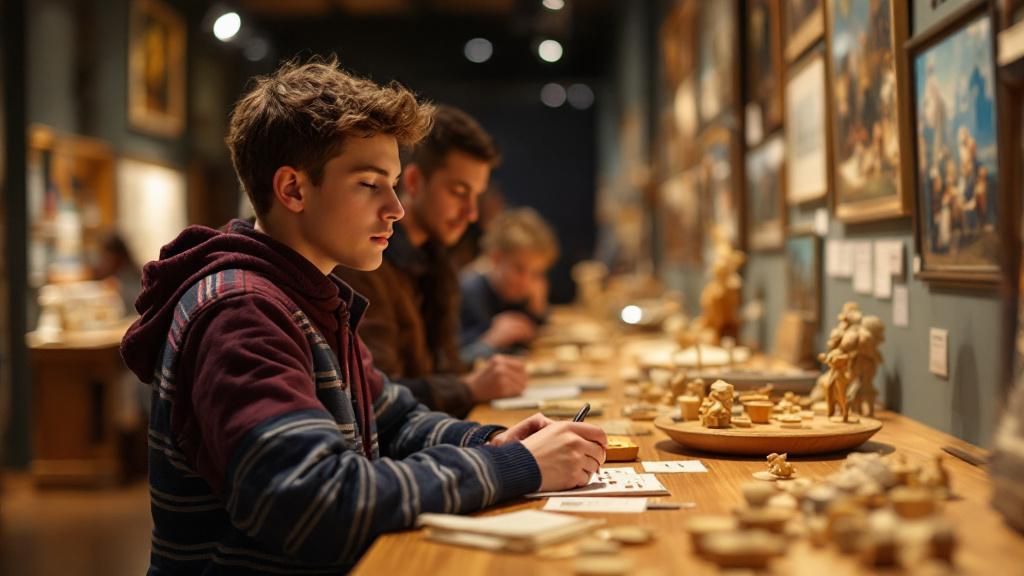
Britain’s most celebrated museums are reimagining how they engage with younger visitors, stepping away from standard presentations to deliver engaging and participatory experiences. From AR technology to youth-focused curation projects, these pioneering projects are converting heritage collections into engaging platforms for discovery and learning. This article examines how leading institutions nationwide are reconceiving visitor engagement, rendering historic artefacts appeal to digitally-native audiences whilst fostering a real understanding for Britain’s heritage amongst the next generation.
Digital Innovation and Interactive Experiences
Britain’s major museums are utilising state-of-the-art technologies to captivate younger visitors and reshape how historical collections are accessed. AR applications allow visitors to visualise artefacts in their authentic settings, whilst virtual reality installations transport users through past eras. Interactive touchscreens and mobile apps enable unguided discovery, encouraging deeper engagement and curiosity. These digital innovations broaden access to exhibitions, allowing off-site audiences to experience exhibitions from home, considerably extending the museums’ scope beyond physical boundaries and established visiting habits.
Museums are increasingly working together with technology companies and digital specialists to develop bespoke platforms tailored directly to younger demographics. Gamification elements, including achievement badges and interactive challenges, motivate ongoing interaction with collections. Social media integration encourages visitors to share their discoveries, amplifying institutional reach naturally. These innovations acknowledge that contemporary young people expect interactive, personalised experiences rather than passive observation. By embedding digital literacy within heritage education, museums position themselves as forward-thinking institutions that respect their audiences’ technological fluency whilst maintaining strict curatorial practices and educational integrity.
Educational Partnerships and Educational Initiatives
British museums have increasingly acknowledged the significance of building strong partnerships with schools and colleges to integrate cultural education within school curricula. Through collaborative initiatives, museums are engaging closely with teaching staff to develop tailored programmes that comply with national curriculum requirements whilst improving classroom experiences. These working relationships enable students to engage with authentic objects and specialist-delivered workshops, converting abstract heritage themes into tangible learning opportunities that work considerably better than standard textbook learning alone.
Many institutions have established dedicated school liaison teams that design bespoke workshops and structured tours catering to specific age groups and academic levels. These programmes often incorporate interactive tasks, engaging storytelling, and exclusive access to collections, allowing learners to enhance analytical abilities whilst exploring their historical legacy. Museums have found that such experiential learning markedly improve student engagement and foster deeper connections with past events, ultimately developing a more educated and culturally engaged cohort of young British people.
The success of these educational partnerships is demonstrated in growing levels of school engagement and constructive comments from both educators and pupils. Many museums now offer subsidised or free visits for coordinated educational groups, addressing affordability challenges and ensuring equitable opportunities across all socioeconomic backgrounds. By investing in youth educational development, museums are maintaining their importance for future generations whilst honouring their fundamental role as custodians of Britain’s invaluable cultural heritage.
Community Involvement and Cultural Access
British museums are steadily advancing inclusive practices to ensure heritage collections resonate with diverse younger audiences. By removing financial barriers through free or discounted admission programmes, institutions are making culture more accessible. Additionally, museums are developing multilingual resources, sensory-conscious programming, and neurodiverse-friendly areas, recognising that participation goes further than conventional museum-goers. These deliberate modifications acknowledge varying learning styles and inclusive requirements, establishing inclusive spaces where young people from all backgrounds feel genuinely valued and included in cultural institutions.
Community partnerships have become vital for extending museum reach beyond institutional walls. Collaborations with schools, young people’s services, and local bodies enable tailored programmes addressing specific audience interests and demographics. Museums are intentionally bringing in young people as community ambassadors and peer educators, elevating genuine perspectives within heritage narratives. These community-led initiatives foster genuine ownership and investment, reshaping museums from inactive storehouses into lively community centres. By positioning themselves in local contexts, British institutions are building sustainable relationships with younger audiences, ensuring cultural engagement becomes an integral part of community life rather than sporadic visits.
Forward Planning and Long-term Viability
As museums progressively develop their engagement strategies, the sustainability of these cutting-edge initiatives remains paramount. Institutions are continually exploring diverse funding sources, including partnerships with technology companies and arts organisations, to guarantee enduring success. Digital initiatives demand ongoing investment in technological systems and professional development, yet the proven effect on emerging generations justifies these investments. Museums are also developing metrics to assess initiative performance, enabling them to improve strategies and distribute funding purposefully. This commitment to research-informed choices sets British museums as pioneers of current audience connection.
Looking ahead, the sector anticipates greater adoption of emerging technologies such as artificial intelligence and virtual reality, delivering even more personalised learning experiences. Partnership frameworks between organisations will support the sharing of knowledge and pooling of resources, broadening reach across regions. Museums acknowledge that connecting with younger visitors today cultivates tomorrow’s advocates, donors, and cultural advocates. By preserving adaptability and adopting new approaches whilst respecting curatorial standards, British museums are securing their relevance for generations to come, ensuring that heritage collections remain engaging, available, and profoundly significant to all visitors.
