
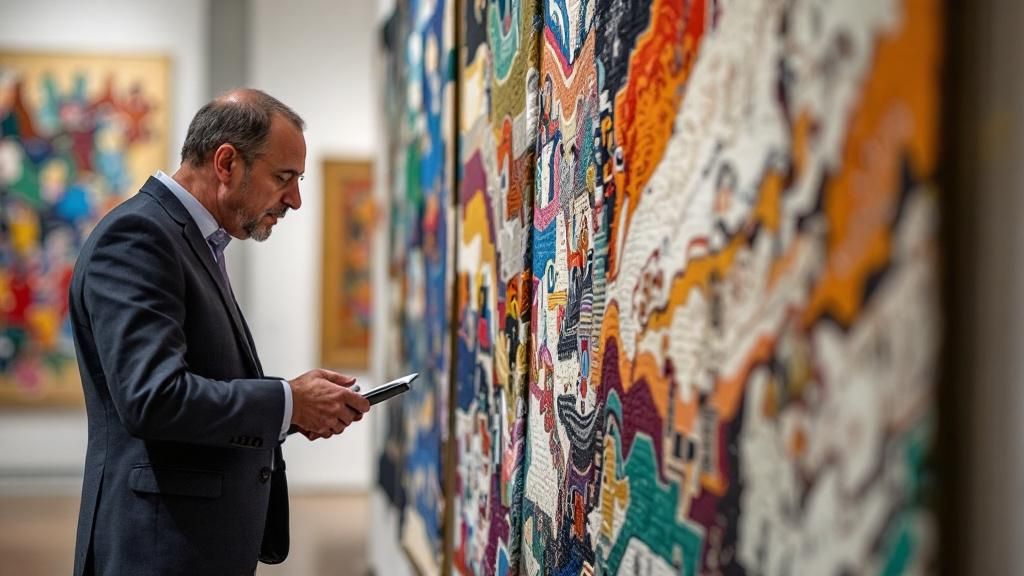
The British Museum has launched an far-reaching programme centred on preserving current textile art traditions before they fade from history. This notable programme acknowledges the critical necessity to document and preserve the skilled artistry of modern weavers, embroiderers, and textile artists across the globe. By combining conventional methods with advanced conservation approaches, the museum intends to create a comprehensive archive that celebrates the cultural significance of textile traditions whilst maintaining these invaluable skills remain accessible for future generations.
The Museum’s Commitment to Fabric History
The British Museum’s dedication to textile conservation extends far beyond mere archival record-keeping. This initiative demonstrates a fundamental dedication to acknowledging textile arts as a vital cultural expression deserving of institutional backing and academic attention. By establishing dedicated conservation laboratories and employing specialist craftspeople, the museum acknowledges that contemporary textile traditions embody centuries of accumulated knowledge and cultural identity. The initiative prioritises direct engagement with practising artists, guaranteeing that living traditions are documented authentically and respectfully.
Central to this dedication is the museum’s acknowledgement that textile heritage encounters unprecedented pressures in an increasingly digitalised world. Traditional training programmes are waning, and many regional weaving and embroidery techniques risk loss within a single lifetime. Through this project, the British Museum presents itself as a guardian of these priceless cultural resources, working collaboratively with artisans, communities, and international partners. The programme establishes a sustainable framework for knowledge transfer, guaranteeing that contemporary fabric-making crafts thrive and inspire coming generations.
Exploring Modern Textile Approaches
Contemporary textile methods embody a dynamic fusion of heritage craftsmanship and modern artistic expression. These traditions span diverse approaches extending across hand-weaving and natural dyeing to advanced computational textile design. The British Museum’s programme recognises that contemporary textile artists are not merely preserving historical techniques; rather, they are actively developing these methods to express contemporary aesthetics, cultural perspectives, and sustainability issues. Understanding these changing approaches is essential for understanding the full scope of textile arts in the twenty-first century.
Established Approaches in Current Settings
Time-honoured weaving methods such as hand weaving, batik printing, and decorative needlework remain vibrant within current creative spheres. Modern practitioners have ingeniously adapted these traditional practices to address current artistic ambitions and cultural issues. The safeguarding of traditional methods ensures that centuries of accumulated knowledge stays relevant and available. By recording modern uses of traditional methods, the British Museum shows how heritage craftsmanship stays deeply significant to modern practitioners and publics.
The merging of traditional techniques within modern practice creates remarkable opportunities for artistic exchange and artistic development. Artists more and more combine heritage techniques with exploratory techniques, creating textiles that celebrate their cultural roots whilst expanding creative boundaries. This combination is particularly valuable in communities where textile traditions constitute essential elements of cultural expression. The museum’s initiative actively celebrates these combined practices, acknowledging them as authentic and important expressions of modern textile art.
Helping Artisan Groups
The preservation initiative places strong priority on assisting craft makers who maintain and develop textile traditions. These communities often encounter financial challenges, constrained commercial reach, and insufficient recognition for their remarkable craftsmanship. The British Museum’s programme provides platforms for artisans to display their creations, enables information sharing, and documents their practices comprehensively. By raising the profile of textile artisans internationally, the initiative helps secure lasting income for artisans committed to preserving these invaluable traditions.
Joint collaborations between the museum and artisan communities serve as the foundation of this inclusive strategy. These connections prioritise true depiction and fair distribution of benefits, guaranteeing that communities maintain agency over their cultural legacy. The initiative provides resources for technique sharing, helping younger generations master heritage methods from seasoned craftspeople. Through guided learning initiatives and community workshops, the British Museum actively contributes to reinforcing practitioner connections and sustaining tradition through generational learning within fabric craftsmanship.
Programme Results and Future Impact
The initiative is anticipated to generate meaningful impact within its first five years of operation. The museum intends to develop a digital archive containing over 10,000 textile pieces, alongside thorough documentation of manufacturing methods employed by contemporary artisans. Additionally, the programme will foster collaborative relationships with textile communities worldwide, promoting knowledge sharing and assisting craftspeople through enduring funding structures. These extensive initiatives will provide an indispensable tool for academics, educators, and specialists endeavouring to grasp and appreciate contemporary textile art traditions.
Looking ahead, the British Museum envisions this programme as a catalyst for broader cultural preservation efforts across the cultural industries. By showcasing robust methodologies for recording artisanal traditions, the initiative will create benchmark standards applicable to further artistic disciplines. The museum continues to be dedicated to ensuring that contemporary textile arts receive parity to traditional visual arts, thereby enhancing their cultural status. Furthermore, planned exhibitions and educational outreach will engage diverse audiences, inspiring renewed interest in textile craftsmanship amongst new audiences and securing these remarkable traditions for posterity.
